Tannery Place, Gardens and Apiary
An Introduction
Notes from our home gardens where beauty, biodiversity, food, wildlife and humans tending an apiary grow together.
A Place Name
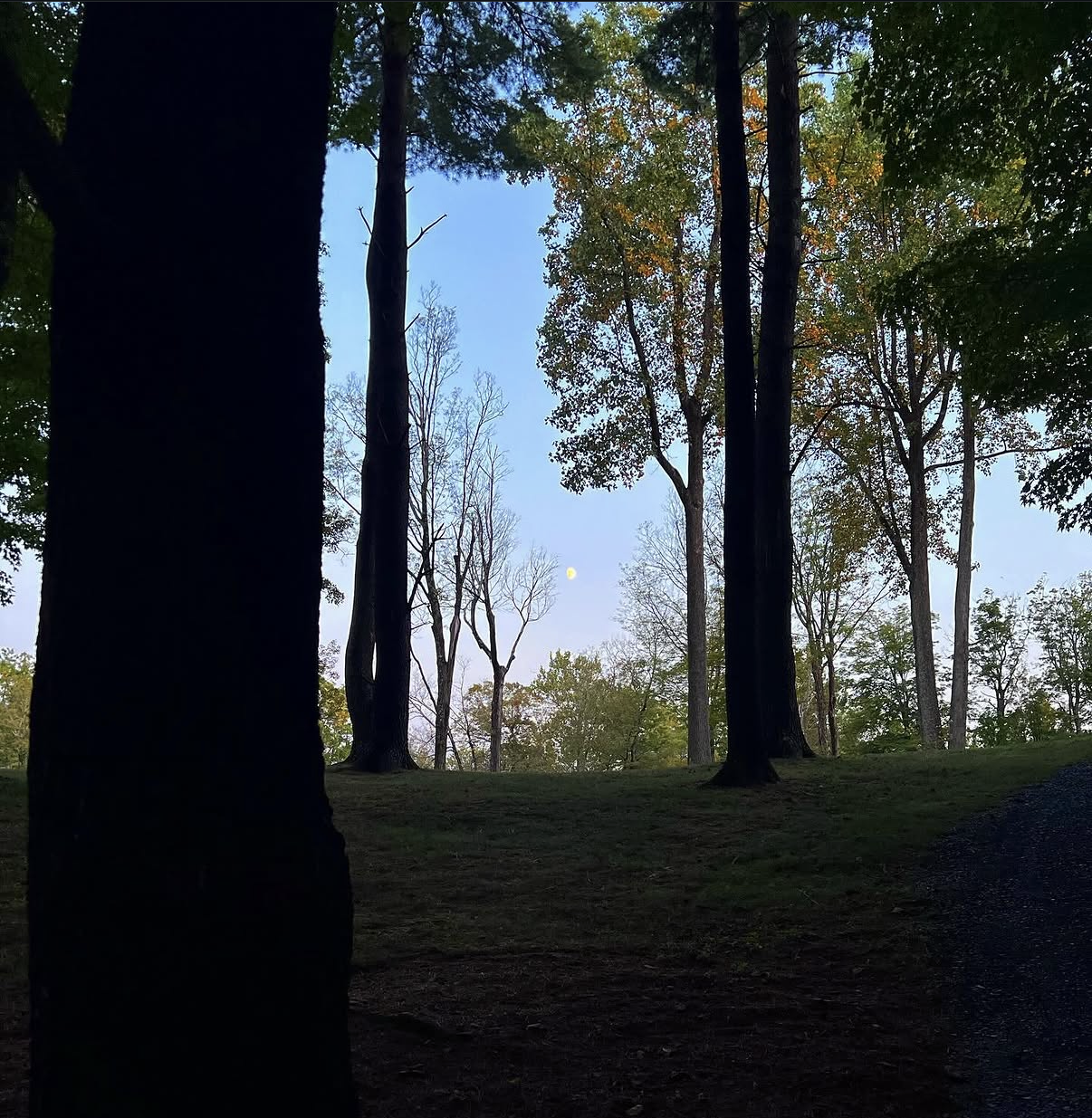
Tann is a German topographic name for someone who lived in a forest, it is also from a Middle English word tan(ne), which means “oak bark”. That could have been an occupational name for someone who worked with crushed oak bark used in tanning and from Anglo-French and Medieval Latin, tanning as a verb is to convert hide into leather by treating it with an infusion of tannin-rich bark or other similar agent, much of which I understand in this area of the Hudson Valley to have come from hemlock trees. Either and all, this name is one we inherited when we came to steward this home and ecoscape, as a place name “Tannery Place” calling to its past.
In the present there is appreciation for what was, is and could be. The cultivation of a relationship that merges who we are and who the land is and how both of us potentially want to be in this time together. A domestic and feral musing that merges and is left to there own timings. To feel the rhythm of the wild wooded landscape and the tended, seeded and seasonal gardens. The many beings that pass through or decide to stay. As ‘tann’ can be the forest dweller, ‘ery’ is the state, condition, or behavior. May these roots find connection.
Gardens and Apiary
If the place name is the sound, then the gardens are where we come to taste and touch. The hum that engrosses oneself in beauty, as the bee dances around the inner most chambers of what is in flow— a vector to observe, study the relational interests of pollination, and the shifting of seasonal light.